 petermuller18
If you have stood on a crowded Gold Coast pokies floor on a Saturday arvo, you have probably heard the same question whispered at the bar: is there really a pokies vs poker machines difference, or is it just semantics? The short answer is that the machines look similar enough to fool a newcomer, but the way they pay, the way they keep you engaged, and the way you actually manage your play are not the same thing. I have spent years coaching support teams through the messy middle of customer confusion, and the pattern is always the same: people argue over labels because they have not mapped the mechanics underneath. That is where the real difference lives, and it is worth sorting out before you put a single credit in.
Two names, one floor, different expectations
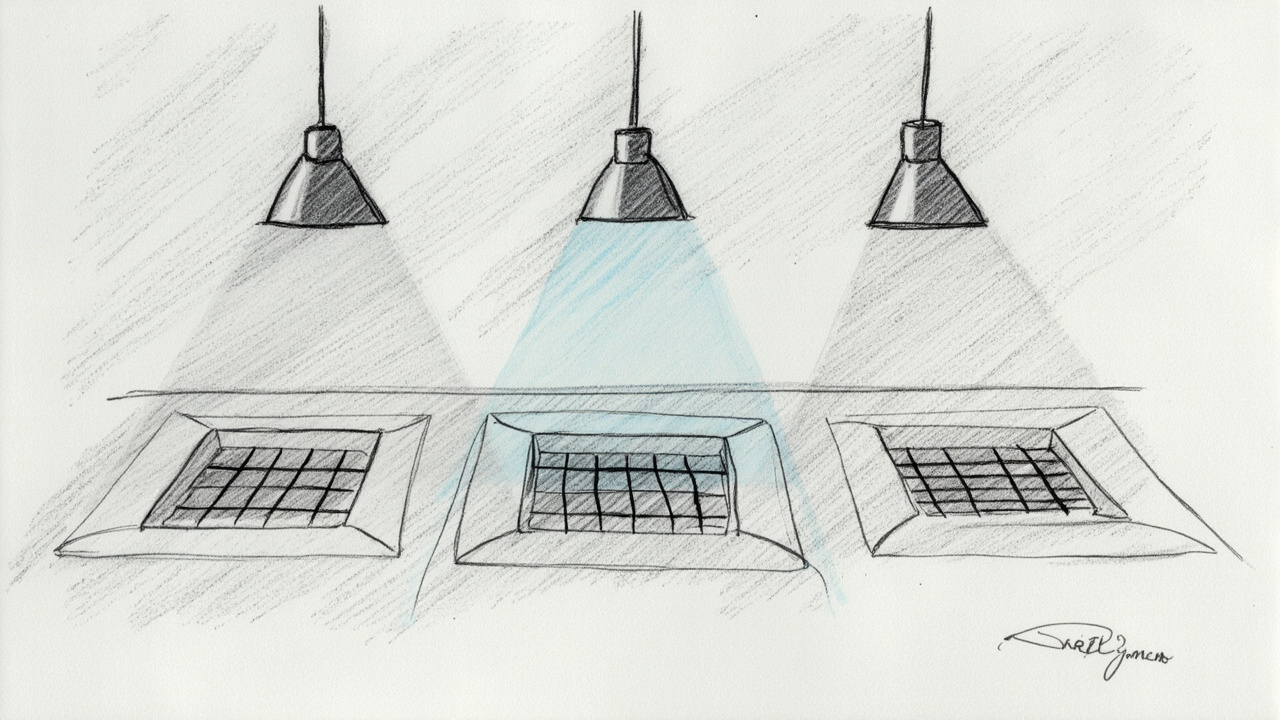
On any Gold Coast club floor, pokies and poker machines sit side by side, and most regulars use the words interchangeably without blinking. The confusion is understandable, because both are electronic gambling machines that take your stake, spin or deal a result, and pay out according to a programmed schedule. The practical difference is that “pokies” is the everyday Aussie shorthand that covers the whole category, while “poker machines” is the more formal term you will see on club signage, gaming licenses, and the printed rules near the cashier. In my work training frontline staff, I always tell teams to stop correcting the customer’s word choice and start clarifying the machine’s behaviour, because the label never tells you whether a game is holding back a feature, whether a bonus is banked, or whether you are looking at a straight spin loop or a multi-stage hand-pay setup. That is the first real split: one word is social habit, the other is a technical bucket, and mixing them up is how people walk into a session with the wrong expectations.
The machines themselves have drifted closer over the years, which makes the distinction less about hardware and more about how a venue markets and arranges them. Some floors group the higher-denomination poker machines near the quieter ends of the room, while the faster, lower-stake pokies cluster around the walkways where turnover is the point. That seating logic matters more than the name on the marquee, because a machine’s position tells you what kind of play pattern the venue is built around. If you are trying to understand the pokies vs poker machines difference in a way that actually changes how you play, start by reading the cabinet, the denomination, and the paytable instead of the sign above it.
| What you are checking | Pokies (everyday term) | Poker machines (formal term) |
|---|---|---|
| How the name is used | Casual shorthand across most venues | Signage, rules, and licensing language |
| Typical floor placement | Walkways, higher traffic, faster cycles | Quieter ends, higher denominations, longer sessions |
| What matters most | Spin pace, bet sizing, feature timing | Denomination, paytable depth, hand-pay thresholds |
| What does not differ | Random outcomes, programmed volatility, no skill influence | Same underlying machine behaviour as the row beside it |
Where the real difference shows up at the machine
Once you are seated, the pokies vs poker machines difference stops being about labels and starts being about how the game holds your attention and how it releases credits. A lot of modern machines run banked bonus slots, where progress can carry over between sessions instead of resetting the moment you walk away. That is a genuine structural feature, not a vibe, and it is one of the reasons a machine can feel different on a second visit even when the theme looks identical. I coach support teams to treat these features like a service journey rather than a promise: the player needs to know what carries over, what resets, and what triggers the next step, because confusion there is what turns a normal session into a frustrated one. The same logic applies on the floor – if you do not know whether a bonus meter is building toward a near-term event or sitting as a stored credit, you are guessing, not playing.
The paytable and the bet structure are where the practical split keeps showing up. A poker machine at a higher denomination usually has a different reward rhythm and a different hit frequency than a lower-stake pokie, even when both are built on similar software. That is not a secret; it is just the trade-off you make when you choose a machine that asks for larger credits per spin in return for a different payout profile. I have seen players assume the bigger cabinet must be “better” because the numbers on the screen look larger, when really they have just moved into a different risk pattern. A good rule of thumb I use in training is to compare the actual credit movement over a set window rather than the theme or the cabinet size, because that is the only part you can observe without leaning on rumour. If you want a clearer picture of how these machine styles evolved before they ended up side by side on the same floor, there is a useful breakdown of how fruit machines changed that tracks the shift from simple mechanical reels toward the layered bonus games common today.
The other detail that separates the experience is how the venue frames repeat play. Some floors lean on tournaments and timed events, others on cashback promos and loyalty tiers, and the machine you pick should match the kind of ongoing value you are actually after. A tournament-friendly machine is not automatically a better everyday machine, and a cashback setup does not fix a bet size that is too heavy for your session plan. The point is that the pokies vs poker machines difference is not a single yes-or-no question; it is a set of choices about denomination, feature behaviour, and the kind of recurring incentive that fits the way you actually play.
Bonus mechanics and repeat play that matter after sign-up
The welcome offer gets most of the noise, but the ongoing value is where a lot of players either stay engaged or drift away. Recurring promos, cashback, loyalty and VIP tiers, and tournaments are the pieces that decide whether a venue still makes sense after the first week, and they are also the pieces most likely to be explained poorly at the counter. In my coaching work, I always push teams to separate three things: what triggers the reward, what the reward actually covers, and what the player has to do to keep qualifying. That separation matters because a cashback promo that looks generous on paper can be tied to a narrow set of games or a specific bet range, and a loyalty tier can sound like a straight upgrade when it is really just a different pace of points accumulation. If you are weighing the pokies vs poker machines difference with an eye on repeat play, the machine category is only half the picture; the other half is whether the venue’s recurring incentives actually line up with the way you bet.
Banked bonus slots are a good example of why this matters in practice. When progress carries over between sessions, the machine is effectively giving you a reason to return to the same game rather than drifting to whatever is free at the end of the row. That can be a solid reason to stick with one title for a while, but it is not a guarantee of anything – it is just a structure that rewards continuity. I always tell players to treat that continuity as a planning tool, not a forecast, because the feature still runs on programmed outcomes and the banked progress is only one part of the session. A “moral” in Aussie slang is a near-certainty, and that is exactly the kind of word you should keep out of gambling conversations, because no machine behaviour is a moral and no bonus schedule is a promise.
Tournaments add a different angle altogether. They shift the focus from individual spin results to a timed scoreboard, which can make a machine feel more engaging without changing the underlying randomness. For some players that structure is the whole reason to keep coming back; for others it is just a different way of spending the same credits. Cashback and loyalty tiers sit somewhere in the middle, offering a slower form of ongoing value that can soften a rough session but does not rewrite the maths of the game. The practical judgement call is to match the incentive to your play style rather than chasing the loudest promo on the board, because a recurring offer only helps if it fits the way you already play.
Support, clarity, and the trade-offs you should actually weigh
The best way to think about the pokies vs poker machines difference is as a support and clarity problem as much as a machine problem. When players understand what a machine is doing – how the denomination shapes the rhythm, how a banked bonus carries over, how a promo is tied to a specific play pattern – they make steadier decisions and ask better questions at the counter. That is the same principle I apply when building stronger support teams: the goal is not to sound polished, it is to give people a clear map of what is real, what is conditional, and what is just a label. A venue that explains its bonuses, loyalty tiers, and tournament rules in plain language is doing the same work as a well-trained agent, because both are reducing the gap between what the player expects and what the session actually delivers.
The trade-offs are straightforward once you stop treating the name as the story. A higher-denomination poker machine can suit a longer, more deliberate session, but it also asks for larger stakes per spin, which changes how quickly a bankroll moves. A lower-stake pokie can feel easier to sit with for a casual run, but the feature pacing and hit pattern may not match what you want if you are looking for a slower game. Banked bonuses can give you a reason to return, but they do not change the random nature of the outcomes, and recurring promos only help if they fit your actual play rather than the headline number. I always tell teams to frame these as trade-offs, not verdicts, because the right choice depends on the session you are planning, not on a generic ranking.
If you are comparing venues on the strength of their ongoing incentives, it helps to look at the details that repeat across visits rather than the one-off welcome noise. Recurring promos, cashback, loyalty and VIP tiers, and tournaments each reward a different kind of player, and the machine you choose should line up with the incentive you can actually use. That is where the pokies vs poker machines difference becomes practical: not as a debate over words, but as a way to pick a machine, a stake pattern, and a venue that fit the way you play. If you are weighing whether a venue’s ongoing setup is worth your time, you can read more on can you make money on royal reels as one example of how a site frames its recurring play and bonus structure, though the same questions apply on any floor where you are choosing between machines and incentives.
After a session, the useful habit is to check what you actually used – the denomination, the feature timing, the promo conditions, the loyalty pace – and decide whether that matches the next visit you are planning. The machine name will not tell you that, and neither will the cabinet style on its own. The difference that matters is the one you can repeat: a clear read of the paytable, a realistic stake pattern, and a recurring incentive that fits your play instead of fighting it.